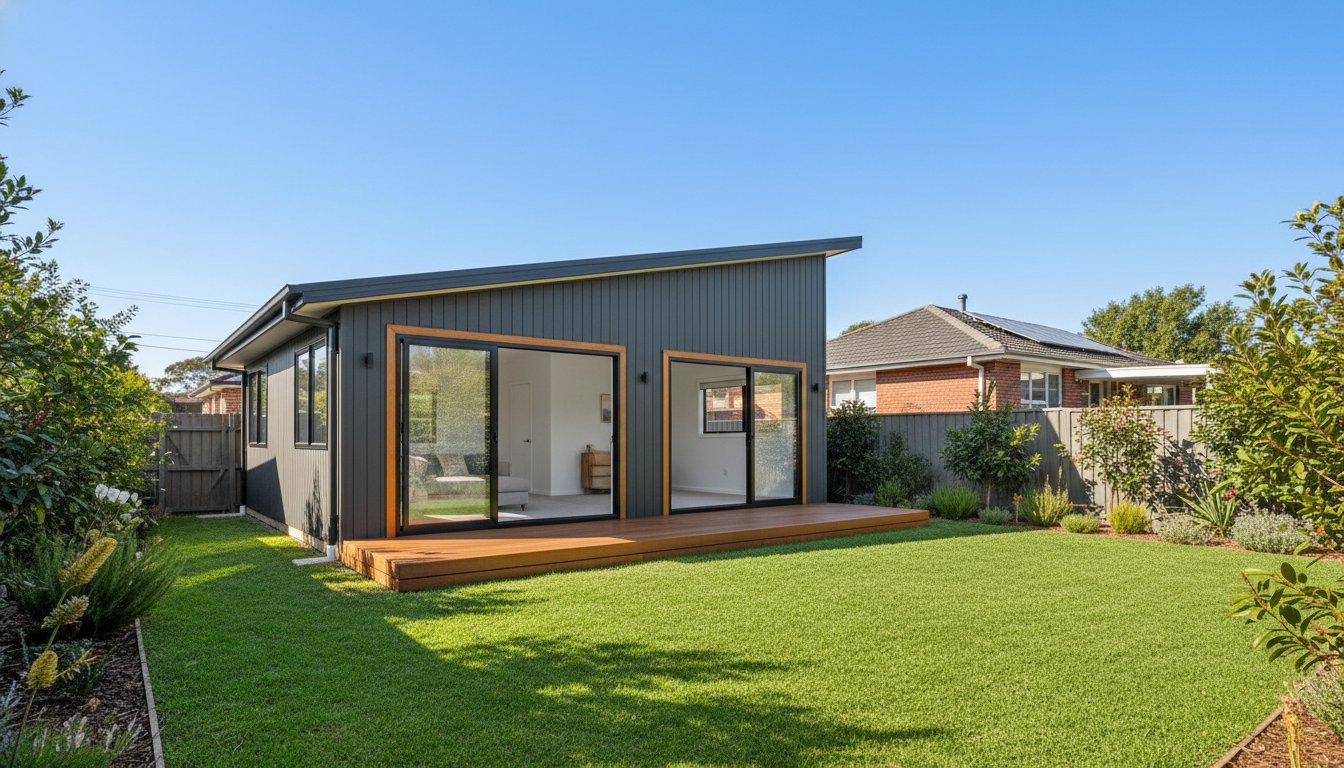
Adding a secondary dwelling to your backyard isn't just about extra space; it's a strategic move that can boost your property value by up to 30 per cent in the current market. When you're looking into granny flats sydney homeowners often feel overwhelmed by the technicalities of NSW planning laws and the fear of a build that doesn't stand the test of time. It's a significant investment, and you want to ensure every square metre adds genuine character and utility to your home. You've probably heard horror stories of projects that leak or look like a shipping container, but your vision is likely more about excellence and meticulous craftsmanship.
We understand that you want a seamless process that respects your time and your property's potential. This guide will show you exactly how to secure a high-quality, durable build that complements your existing home while maximising your return on investment. We'll explore the streamlined SEPP approval pathway and the 2026 regulations, such as the 450 square metre minimum lot size requirement. You'll also learn how to choose a design that balances aesthetic beauty with low-maintenance longevity, ensuring your new investment provides both comfort and financial reward for years to come.
Key Takeaways
- Master the NSW planning process by identifying whether your project qualifies for a fast-tracked Complying Development Certificate (CDC) or requires a traditional Council DA.
- Discover why the two-bedroom layout is the ultimate choice for maximising rental yields and long-term investment value when planning granny flats sydney.
- Learn to avoid common construction pitfalls by choosing traditional building methods that ensure your secondary dwelling remains stable on Sydney's unique soil types.
- Ensure your secondary dwelling feels bright and spacious by prioritising solar access and clever orientation within your backyard.
- Gain peace of mind by partnering with seasoned experts who offer a family-oriented approach and over 15 years of local construction experience.
What Defines a Modern Sydney Granny Flat in 2026?
The concept of the backyard addition has undergone a remarkable transformation. To understand What Defines a Modern Sydney Granny Flat, we must look beyond the old-fashioned "kit home" mentality. In 2026, these structures are recognised as sophisticated secondary dwellings, self-contained homes built on the same lot as a primary residence. While the term once conjured images of simple, prefabricated sheds tucked away in a corner of the yard, the current standard focuses on architectural excellence and meticulous craftsmanship. These are permanent, high-value assets designed to last for generations.
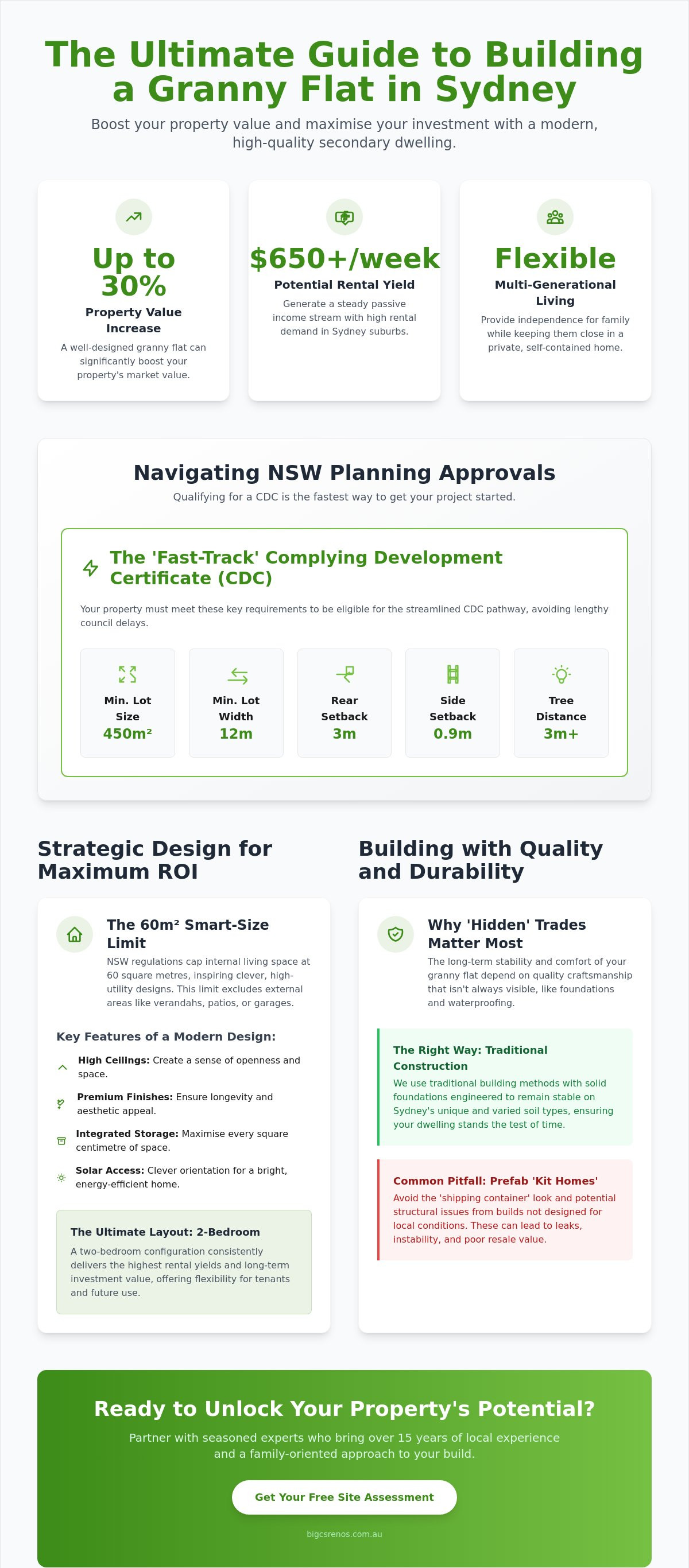
A critical factor in the design of granny flats sydney homeowners must consider is the 60 square metre internal size limit. This regulation, set by the NSW State Environmental Planning Policy (SEPP), applies to the living area and does not include external features like verandahs, patios, or garages. This constraint has sparked a new era of clever, compact design. Every millimetre is utilised with precision to create a sense of openness. Modern builds now feature high ceilings, premium finishes, and integrated storage, ensuring that a smaller footprint never feels like a compromise on quality or comfort.
Why Sydney Homeowners are Choosing Granny Flats Now
The drive toward dual occupancy is largely a response to the ongoing housing affordability crisis. Families are increasingly looking for ways to stay together while maintaining independence. Whether it's providing a sanctuary for ageing parents or a stepping stone for adult children, these dwellings offer a graceful solution to multi-generational living. Beyond family needs, the financial incentive is undeniable. Industry data suggests that a well-executed secondary dwelling can increase your property's total value by up to 30 per cent. Additionally, with rental yields in some Sydney suburbs reaching over $650 per week, the potential for steady passive income is a powerful motivator for savvy investors.
Granny Flat vs. Home Extension: Which is Right for You?
Deciding between a detached unit and a home extension often comes down to your primary goal for the space. If privacy is your top priority, a detached granny flat is almost always the superior choice. It provides a distinct physical separation that is essential for rental tenancies or independent living. While an extension might involve building "up" to save yard space, a granny flat builds "out", which can often be a more cost-effective route depending on your site's specific zoning. Local planning rules sometimes favour one over the other based on your lot's width or existing tree canopy, so a professional site assessment is always the first step in making the right call for your property.
Navigating NSW Planning Approvals: CDC vs. DA Pathways
Understanding the legalities of building granny flats sydney wide can feel like a maze, but the process is quite structured when you have an expert partner. Every successful project begins with a professional site check. We examine your property's specific zoning and search for overlays like heritage listings, bushfire risks, or flood zones that might influence the design. This initial due diligence ensures that your vision aligns with the physical and legal realities of your land.
Once the site constraints are clear, we determine the most efficient approval pathway. The goal for most homeowners is to meet the criteria for a Complying Development Certificate (CDC). This system allows for a significantly faster turnaround by using a Private Certifier instead of waiting months for local council feedback. Navigating NSW Planning Approvals through the Housing SEPP requires architectural plans that are meticulously detailed. We ensure every regulation is met before lodgement. Finally, you'll need a construction certificate to ensure the technical build details are safe and compliant before any ground is broken.
The CDC 'Fast-Track' Requirements
To qualify for the CDC fast-track, your property must meet several strict requirements. Your lot size needs to be at least 450 square metres, with a minimum width of 12 metres at the building line. You'll also need to respect specific setbacks, including a 3-metre gap from the rear boundary and 0.9 metres from the sides. Trees also play a role; your new dwelling must sit at least 3 metres away from any tree taller than 6 metres. These rules help maintain the 'green' character of Sydney's residential streets while ensuring you provide at least 24 square metres of dedicated private open space for the new unit.
When You Must Go Through Local Council (DA)
Not every backyard fits the CDC mould. If you're dealing with a heritage conservation area, an unusually steep slope, or environmentally sensitive land, you'll likely need to lodge a Development Application (DA) with your local council. This process is more flexible but takes longer. For those in the Western suburbs, reading a local planning guide can clarify how specific council rules might affect your vision. If you want to see what's possible on your block, we can help you choose the right path for your granny flats sydney project. We take pride in finding creative solutions for even the most challenging sites. Let's discuss your property's potential today.
Strategic Design: Choosing the Right Layout for Your Backyard
Designing a secondary dwelling in Sydney requires a delicate balance between strict regulations and lifestyle aspirations. While the 60 square metre limit is fixed, the way you arrange that space determines the ultimate success of the project. For most granny flats sydney residents build, the two-bedroom layout has emerged as the definitive sweet spot. It offers the highest versatility for families and the best potential for rental yields, with current market data showing returns between $400 and $800 per week depending on the suburb. This configuration ensures the home remains a high-value asset that appeals to a broad range of occupants.
Orientation is often overlooked but remains vital for a compact home. By positioning living areas to face north, you capture maximum natural light and reduce heating costs, which makes a smaller footprint feel significantly more expansive. Privacy is equally important to maintain harmony on the lot. We focus on placing separate entrances and using clever privacy screens to ensure the occupants of both the main house and the flat feel completely at home. Open-plan living is another essential tool; by removing unnecessary hallways, we can make 60 square metres feel like a much larger, 100 square metre residence.
Popular 2-Bedroom Granny Flat Floor Plans
The L-Shape design is an excellent choice for corner blocks or narrow yards, as it wraps around the property boundary to create a private courtyard. We often suggest specific features to enhance the liveability of these layouts:
- Laundry-bathroom combos: These maximise floor space while maintaining full functionality for tenants or family members.
- Integrated decks: A small verandah or deck effectively extends the living area and embraces the outdoor Sydney lifestyle.
- Clerestory windows: These pull in light from above without compromising privacy from neighbours or the main house.
Customising Your Granny Flat Designs
A high-quality build should never look like an afterthought. We pride ourselves on matching the facade of the new unit to your existing home's aesthetic, whether that involves matching specific brickwork, cladding, or render colours. Smart storage solutions, such as floor-to-ceiling built-ins and overhead kitchen cabinets, are essential for attracting long-term tenants and keeping the space organised. For more layout inspiration and practical ideas, refer to our granny flat designs resource. This will help you visualise how craftsmanship and detail can transform a simple plan into a stunning, functional home.
Construction Quality: Why the 'Hidden' Trades Matter Most
When planning granny flats sydney wide, the temptation to choose a modular shortcut is often high. While prefabricated boxes promise speed, they frequently fall short of the structural integrity required for a long-term investment. We advocate for traditional stick-builds because they allow for superior customisation and structural longevity. A custom-built secondary dwelling isn't just a temporary housing solution; it's a permanent addition to your property that must withstand the test of time. Quality is non-negotiable.
Foundation work is where many budget builds fail. Sydney is known for its varied clay soils, which are highly reactive to moisture changes. Without correctly engineered slabs and footings, a building can shift, leading to cracked walls and jammed doors within just a few years. We prioritise precision in the early stages to ensure your investment remains stable. This meticulousness extends to the energy efficiency standards of 2026. High-performance insulation and double-glazed windows are now essential to ensure the space remains comfortable during Sydney's sweltering summers and crisp winters, ultimately reducing running costs for tenants or family members.
Waterproofing Standards (AS 3740)
Waterproofing is the single most common cause of building failure in secondary dwellings across New South Wales. Even a tiny breach in a wet area can lead to catastrophic timber rot and mould, often hidden behind walls for months before being discovered. We follow a rigorous process that exceeds the minimum requirements of the AS 3740 standard. By using premium membranes and allowing for correct curing times, we provide total peace of mind. For a deeper look at how we protect your home, read our bathroom waterproofing guide. It details the technical steps necessary to prevent the leaks that plague lower-quality builds.
Choosing Durable Materials for Low Maintenance
Selecting the right finishes is a strategic decision for any landlord. We recommend using epoxy grouting in bathrooms and kitchens. Unlike traditional cement-based grout, epoxy is non-porous, meaning it won't stain or crumble over time. It's particularly effective in Sydney's humid climate, where mould can quickly take hold in standard wet areas. When it comes to the exterior, we utilise fire-rated cladding and high-quality fixtures to minimise future maintenance. Investing in excellence today means you won't be dealing with "landlord headaches" a few years down the track. If you're ready to build a secondary dwelling that prioritises craftsmanship, get in touch with our expert team to discuss your project.
Building Your Sydney Granny Flat with Bigcs Renos
Choosing a builder for your secondary dwelling is a deeply personal decision that requires a foundation of trust and professional reliability. At Bigcs Renos, we bring over 15 years of local experience to every project we undertake across Colyton and Greater Sydney. We aren't a volume builder focused on turnover; we're a family-owned team that values direct communication and a hands-on approach. When you partner with us, you're speaking directly to the people responsible for the craftsmanship on your site. This ensures your original vision remains the priority from the first shovel in the ground to the final coat of paint.
Our extensive background in high-end bathroom renovations gives us a distinct advantage when constructing granny flats sydney wide. We understand that the kitchen, bathroom, and laundry are the most complex parts of any small-scale build. Because we're experts in waterproofing, tiling, and epoxy grouting, we manage these technical "wet areas" with a level of precision that many general builders overlook. We treat your secondary dwelling with the same meticulousness as a primary home, ensuring every tile is level and every seal is perfect.
The Bigcs Renos Difference
We pride ourselves on being tradesmen first. This means we focus on the structural details and finish quality that ensure your investment stands up to years of use. Our deep local knowledge of Penrith and Blacktown council requirements allows us to anticipate potential hurdles before they become costly delays. We believe in transparent quoting, which means we provide a comprehensive breakdown of costs from the outset. You won't find hidden "variations" mid-build; we value integrity and open dialogue as much as we value excellence in construction.
Start Your Project Today
If you're ready to transform your backyard, the first step is a site consultation in the Colyton area. This allows us to assess your land, discuss your goals, and see what's possible within the 2026 planning regulations. To make the most of our first meeting, it's helpful if you can provide any existing site plans, a clear idea of your budget, and a wishlist for your design. We'll guide you through the "Vision to Execution" process, taking the stress out of the approval and construction phases. Let's build something that adds genuine value to your life and your property. Contact Bigcs Renos for a Granny Flat Quote to begin your journey toward a premium secondary residence.
Transform Your Backyard with Confidence
Building a secondary residence is a significant step toward securing your family's future or creating a lucrative income stream. The most successful granny flats sydney homeowners invest in are those that balance clever design with uncompromising structural quality. By navigating the CDC approval pathway correctly and focusing on the precision of hidden trades like waterproofing and footings, you ensure your new home remains a durable and valuable asset for decades. It's about more than just adding a room; it's about meticulous craftsmanship that enhances your entire property.
With over 15 years of local building experience, Bigcs Renos is here to turn your vision into a reality. We are a Licensed NSW Builder (Lic#247388C) and specialists in high-end waterproofing and structural trades, ensuring every detail is executed with pride. Don't leave your investment to chance with modular shortcuts. Book Your Sydney Granny Flat Site Inspection with Bigcs Renos today and take the first step toward a beautiful, functional addition to your home. We look forward to helping you unlock your property's full potential.
Frequently Asked Questions
Do I need council approval for a granny flat in Sydney in 2026?
Yes, every secondary dwelling requires formal approval, though you don't always have to go through your local council. If your project meets all the specific requirements of the NSW Housing SEPP, you can obtain a Complying Development Certificate (CDC) through a private certifier. This is a fast-tracked process that bypasses the traditional council route. However, if your site has unique constraints like heritage overlays or significant slopes, you'll need to lodge a Development Application (DA) directly with the council.
What is the maximum size for a granny flat in NSW?
The maximum internal living area permitted for a secondary dwelling in New South Wales is 60 square metres. This measurement strictly covers the enclosed living space and doesn't include external additions like verandahs, patios, or carports. By excluding these outdoor areas from the 60sqm limit, you can effectively increase the overall footprint of your build. This allows for a more spacious feel while staying within the legal requirements for granny flats sydney properties.
How much does it cost to build a granny flat in Sydney?
Total costs vary significantly based on your site's topography, chosen materials, and the complexity of the design. A premium "turnkey" project typically includes everything from site preparation and foundations to internal tiling and painting. While basic kits might seem cheaper initially, they often exclude essential "hidden" costs like plumbing, electrical, and council fees. It's best to check with a professional builder for a comprehensive quote that covers the entire scope of your specific project.
Can I build a granny flat on a block smaller than 450sqm?
No, under the current NSW State Environmental Planning Policy (SEPP), your lot must be at least 450 square metres for a granny flat to be permissible. This is a non-negotiable requirement for the fast-tracked CDC pathway. If your land is smaller than this, you generally won't be able to build a self-contained secondary dwelling. It's always worth checking your property's title and local zoning rules to see if any specific exceptions apply to your area before you start the design phase.
How much value does a granny flat add to a Sydney property?
Adding a high-quality secondary dwelling can increase your property's total value by up to 30 per cent. This significant boost is driven by the dual-income potential and the added flexibility for multi-generational living. Beyond the capital gain, these builds are highly attractive to future buyers who value the versatility of a self-contained space. To achieve the best return on investment, focus on a design that complements the main home and uses durable, premium finishes that won't deteriorate over time.
Can I rent out my granny flat to a private tenant in Sydney?
Yes, you can legally rent out your granny flat to private tenants across Sydney to generate a steady stream of passive income. Current market data shows that these dwellings can command rents between $400 and $800 per week depending on the location and number of bedrooms. This makes them an excellent investment for homeowners looking to offset their mortgage. Just ensure the dwelling meets all the required privacy and open space standards to attract long-term, high-quality tenants to your property.
What is the difference between a CDC and a DA for a granny flat?
A Complying Development Certificate (CDC) is a fast-tracked approval process handled by a private certifier, provided your build meets all standard NSW state rules. It's often completed in a matter of weeks. A Development Application (DA) is the traditional route through your local council. You'll need a DA if your project requires variations to the standard rules, such as building in a heritage area or on a block with significant environmental constraints. Both pathways lead to a legal, compliant dwelling.
How long does the construction of a granny flat typically take?
While every project is unique, the physical construction of a custom-built secondary dwelling typically takes between 12 and 16 weeks once the slab is poured. This timeline can be influenced by factors such as Sydney's weather conditions, the complexity of the site, and the availability of specific materials. Choosing a traditional "stick-build" over a modular unit may take slightly longer, but it ensures a higher standard of craftsmanship and structural longevity that pays off in the long run for granny flats sydney owners.


